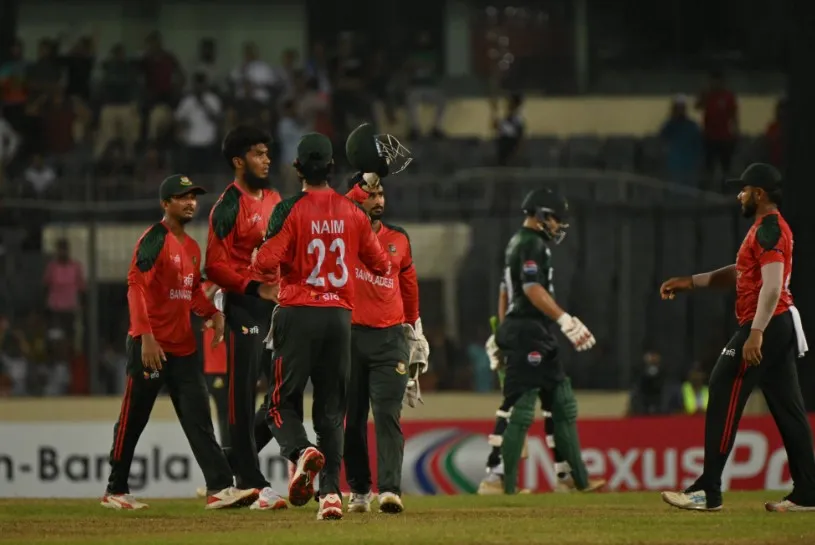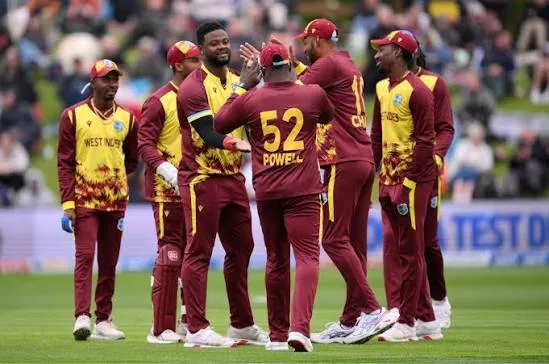
West Indies Team Analysis: Biggest Strengths and Weaknesses in Test Cricket

The West Indies Team has a rich history in Test cricket, boasting legends who once dominated the sport. However, in recent years, the Caribbean side has struggled to consistently compete with the world’s top-ranked teams. Despite these challenges, the squad possesses exciting talent, experienced players, and one of the most dangerous pace attacks in international cricket.

This West Indies Team analysis explores the biggest strengths and weaknesses of the current Test squad and what the team must improve to return to the top level of world cricket. The resources available at Agents Notout provide useful informations.

West Indies Team Overview

The current West Indies Team is a blend of experienced campaigners and promising young cricketers. While consistency has been an issue, the squad has shown flashes of brilliance against strong opponents.

CategoryCurrent Status
Test CaptainRoston Chase
Biggest StrengthFast Bowling Attack
Biggest WeaknessBatting Consistency
Key All-RounderRoston Chase
Long-Term GoalBecome a Competitive Test Nation Again

The team’s success largely depends on producing consistent performances across all five days of a Test match rather than relying on individual brilliance.  If you’re looking for guidance on betting fundamentals, the Notout bet guide offers useful educational resources for beginners.

Biggest Strengths of the West Indies Team

1. World-Class Fast Bowling

The greatest strength of the West Indies Team remains its pace attack. Caribbean fast bowlers continue to generate impressive speed, bounce, and movement that can trouble any batting lineup.

Whether playing at home or overseas, the fast bowlers regularly create wicket-taking opportunities and remain capable of changing matches within a single session.

2. Experienced All-Rounders

Players like Roston Chase provide valuable balance by contributing with both bat and ball. Having dependable all-rounders allows the team greater flexibility in team selection and match strategy.

Their ability to perform multiple roles is especially important during long Test matches.

3. Emerging Young Talent

The West Indies Team has invested in developing younger players through domestic cricket and international exposure.

Several promising batters and bowlers have already demonstrated the potential to become future match winners if they continue their development.

4. Strong Home Conditions

Caribbean pitches often offer pace and bounce, creating favorable conditions for West Indies fast bowlers.

Home support and familiarity with local conditions frequently help the team produce better performances than they do overseas. Learn more about trusted services through betting agent and the experienced professionals listed at notout bet agents.

Biggest Weaknesses of the West Indies Team

1. Batting Inconsistency

The biggest weakness of the West Indies Team is the inability to consistently build large first-innings totals.

The top order has often struggled against quality pace attacks, placing unnecessary pressure on the middle order.

Frequent batting collapses have cost West Indies several important Test matches in recent years.

2. Lack of Long Partnerships

Successful Test teams regularly build partnerships exceeding 100 runs.

West Indies have too often relied on individual centuries rather than collective batting performances, making it difficult to dominate matches over multiple sessions.

3. Fielding Standards

Modern Test cricket demands excellent catching and athletic fielding.

Dropped catches and missed run-out opportunities have occasionally allowed opponents to recover from difficult situations, reducing the effectiveness of the bowling attack.

4. Overseas Performances

The West Indies Team has found it difficult to maintain consistency in overseas conditions, particularly in Asia where spin bowling plays a major role.

Improving adaptability to different pitches and weather conditions remains one of the team’s biggest priorities. Notout Blog cover betting strategies, sports analysis, and useful tips that support responsible gambling habits.

Opportunities for the West Indies Team

There are several reasons for optimism.

The appointment of Roston Chase as Test captain offers an opportunity to build long-term stability and create a stronger team culture. Younger players are gaining valuable international experience, while the bowling attack remains capable of competing against any batting lineup.

Continued investment in domestic first-class cricket will also help strengthen the talent pipeline for future Test squads.

Threats Facing the West Indies Team

Competition in international Test cricket has never been stronger.

Teams such as Australia, India, England, South Africa, and New Zealand consistently produce world-class players and maintain deep talent pools.

For the West Indies Team to climb the ICC Test rankings, they must improve their batting consistency while maintaining their traditional bowling strength.

What Must the West Indies Team Improve?

To become a genuine contender in Test cricket again, West Indies should focus on several key areas.

  1. Build stronger opening partnerships.
  2. Improve batting consistency across both innings.
  3. Raise fielding standards.
  4. Develop more quality spin options.
  5. Maintain leadership stability under Roston Chase.
  6. Continue investing in domestic red-ball cricket.

These improvements would significantly increase the team’s chances of competing consistently against the world’s leading Test nations.

Can the West Indies Team Return to the Top?

The West Indies Team possesses enough talent to become competitive once again, but rebuilding will require patience and long-term planning.

A strong pace attack provides a solid foundation, while experienced players such as Roston Chase can guide the next generation of Caribbean cricketers.

If the batting unit develops greater consistency and younger players continue progressing, West Indies could gradually return to challenging the world’s best teams in Test cricket.

Conclusion

This West Indies Team analysis highlights a squad with significant strengths but equally important weaknesses. The fast bowling attack remains one of the team’s greatest assets, while batting inconsistency continues to hold the side back.

With stable leadership, improved domestic development, and consistent performances across all departments, the West Indies Team has the potential to rebuild its reputation and become a stronger force in international Test cricket over the coming years.

FAQ

What is the biggest strength of the West Indies Team?

The team’s biggest strength is its fast bowling attack, which continues to produce genuine pace and wicket-taking opportunities.

What is the biggest weakness of the West Indies Team?

Batting inconsistency remains the biggest weakness, particularly at the top of the order.

Who is the current Test captain of the West Indies Team?

Roston Chase currently leads the West Indies Test team.

Can the West Indies Team become competitive again?

Yes. With improved batting, better fielding, and continued investment in young players, the West Indies Team has the potential to compete consistently against the world’s top Test nations.
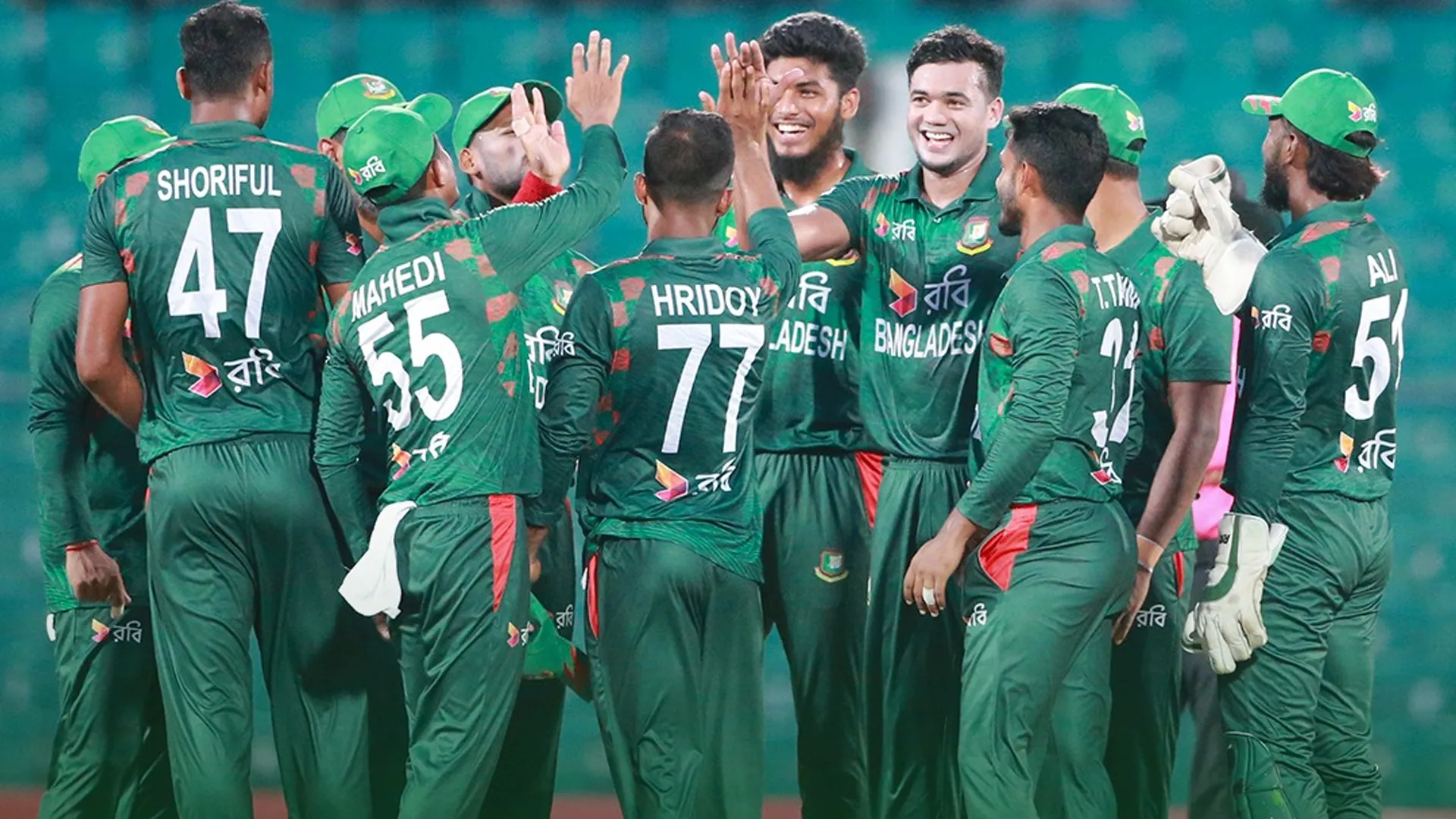
Bangladesh Tigers Squad for Asian Legends League 2026

Bangladesh Tigers squad for the Asian Legends League 2026 brings together experienced international cricketers, proven domestic performers and several versatile all-rounders. Led by Shakib Al Hasan, the 16-player team will compete against five other legends sides in Lusaka, Zambia.

The second edition of the Asian Legends League runs from July 30 to August 10, 2026. All matches are scheduled at the Lotus Sports Club Ground, with Bangladesh Tigers beginning their campaign against Indian Royals on July 31. The resources available at Agents Notout provide useful informations.

Full Bangladesh Tigers Squad for 2026

The current Bangladesh Tigers squad listed for the tournament contains 16 players:

  1. Shakib Al Hasan, captain
  2. Alok Kapali
  3. Nazmus Sadat
  4. Rubel Hossain
  5. Dhiman Ghosh
  6. Shafiul Islam
  7. Nasir Hossain
  8. Mehedi Maruf
  9. Arafat Sunny
  10. Farhad Hossain
  11. Nazmul Hossain Milon
  12. Taposh Ghosh
  13. Ariful Haque
  14. Abul Hasan
  15. Muktar Ali
  16. Saqlain Sajib

FanCode lists these 16 players as the Bangladesh Tigers squad for the team’s opening match against Indian Royals. The official Asian Legends League teams page also confirms that Bangladesh Tigers have a 16-player squad captained by Shakib Al Hasan.

Shakib Leads the Bangladesh Tigers Squad

Shakib Al Hasan is the biggest name in the Bangladesh Tigers squad and will lead the side throughout the tournament. His experience as a captain, left-handed batter and left-arm spinner gives Bangladesh several tactical options.

Even in a legends competition, Shakib’s all-round ability can influence matches in every phase. He can control the middle overs with spin, strengthen the batting order and adjust the team’s approach according to match conditions.

His presence also increases interest in the competition among Bangladeshi supporters. The tournament provides fans with another opportunity to watch one of Bangladesh’s most accomplished cricketers alongside several familiar former internationals. If you’re looking for guidance on betting fundamentals, the Notout bet guide offers useful educational resources for beginners.

Experienced Batters in the Bangladesh Tigers Squad

The Bangladesh Tigers squad includes a group of experienced batting options led by Alok Kapali, Mehedi Maruf, Nazmus Sadat and Nazmul Hossain Milon.

Kapali offers valuable experience and can contribute as both a batter and a leg-spin option. His ability to play attacking shots against spin could be important during the middle overs.

Mehedi Maruf is known for his positive approach at the top of the order. Bangladesh may use him to provide quick starts during the powerplay, particularly when chasing a demanding target.

Nazmus Sadat, Farhad Hossain and Nazmul Hossain Milon provide additional depth. Their inclusion gives the team flexibility when selecting its opening combination and middle-order structure. Learn more about trusted services through betting agent and the experienced professionals listed at notout bet agents.

All-Round Strength Could Be Bangladesh’s Advantage

Versatility is one of the clearest strengths of the Bangladesh Tigers squad. Alongside Shakib and Kapali, the team includes Nasir Hossain, Ariful Haque, Abul Hasan and Muktar Ali.

Nasir can contribute with his batting, off-spin and fielding. At his best, he offers the type of balance that allows a captain to include an additional specialist batter or bowler.

Ariful Haque provides power in the lower middle order, while Abul Hasan and Muktar Ali can contribute with both bat and ball. These options could become especially valuable if the playing surface changes as the tournament progresses.

The presence of several all-rounders also protects Bangladesh from becoming overly dependent on one player. Shakib remains the central figure, but the squad has enough depth to share responsibilities.

Bangladesh Tigers Squad Features a Strong Bowling Attack

Rubel Hossain and Shafiul Islam are the leading fast-bowling names in the Bangladesh Tigers squad. Both represented Bangladesh internationally and bring experience from high-pressure limited-overs matches.

Rubel can provide pace and attack the stumps, while Shafiul offers control and movement. Abul Hasan and Muktar Ali give the captain further seam-bowling choices.

The spin department is equally interesting. Shakib is joined by Arafat Sunny, Saqlain Sajib, Alok Kapali and Nasir Hossain, giving Bangladesh several possible combinations.

Arafat Sunny and Saqlain Sajib offer specialist left-arm spin. Their ability to operate through the middle overs could help Bangladesh slow scoring rates and create pressure. Notout Blog cover betting strategies, sports analysis, and useful tips that support responsible gambling habits.

Dhiman Ghosh Adds Wicketkeeping Experience

Dhiman Ghosh is the specialist wicketkeeper named in the Bangladesh Tigers squad. His experience behind the stumps will be important because the team may regularly use multiple spin bowlers.

A wicketkeeper’s role becomes particularly demanding when standing close to the stumps against slow bowling. Dhiman will also provide another experienced batting option when Bangladesh finalises its playing eleven.

Bangladesh Tigers Fixtures

Bangladesh Tigers are scheduled to play five league-stage matches:

July 31: Indian Royals vs Bangladesh Tigers

Bangladesh open against a strong Indian Royals team led by Shikhar Dhawan.

August 1: Sri Lankan Lions vs Bangladesh Tigers

The second match places Bangladesh against a Sri Lankan side featuring several experienced T20 players.

August 3: Afghanistan Pathans vs Bangladesh Tigers

Bangladesh will then face Afghanistan Pathans, a team known for powerful batting and experienced spin options.

August 6: Pakistan Panthers vs Bangladesh Tigers

The fourth league match brings another major South Asian contest against Pakistan Panthers.

August 7: Asian Stars vs Bangladesh Tigers

Bangladesh conclude the round-robin stage against defending champions Asian Stars.

The competition uses a single round-robin format. The top four teams advance to the playoff stage, with the final scheduled for August 10. The complete Asian Legends League fixture list provides the latest tournament schedule.

Can the Bangladesh Tigers Squad Win the Tournament?

The Bangladesh Tigers squad appears balanced enough to challenge for a playoff position. It contains international-level leadership, multiple all-rounders, specialist spinners and an experienced pace attack.

The main question may be whether the batting unit can score quickly enough against other star-filled teams. Much will depend on the form of Shakib, Kapali, Nasir and the opening batters.

Bangladesh must also manage the workload of its experienced players during a compact tournament. Effective squad rotation could be important, particularly if the team qualifies for the knockout stage.

Conclusion

The Bangladesh Tigers squad for the Asian Legends League 2026 combines familiar international names with experienced domestic cricketers. Shakib Al Hasan leads a flexible 16-player group featuring Alok Kapali, Nasir Hossain, Rubel Hossain, Shafiul Islam and Arafat Sunny.

Bangladesh’s greatest strength may be its variety. The team has several all-rounders, multiple spin options and enough experienced fast bowlers to adapt to different opponents.

With five league matches determining qualification for the playoffs, consistency will be essential. The Bangladesh Tigers squad has the experience to compete strongly, but its senior players must deliver during the tournament’s biggest moments.

Frequently Asked Questions

1. Who is the Bangladesh Tigers captain in 2026?

Shakib Al Hasan is the captain of Bangladesh Tigers for the Asian Legends League 2026.

2. How many players are in the Bangladesh Tigers squad?

The current Bangladesh Tigers squad contains 16 players.

3. Is Tamim Iqbal playing for Bangladesh Tigers in 2026?

Tamim Iqbal does not appear in the current 16-player squad listed by the official tournament website and FanCode. Some older reports were connected to the 2025 edition and should not be treated as the confirmed 2026 roster.

4. Where is the Asian Legends League 2026 being played?

The tournament is being played at the Lotus Sports Club Ground in Lusaka, Zambia.

5. When will Bangladesh Tigers play their first match?

Bangladesh Tigers begin their campaign against Indian Royals on July 31, 2026.

Cricket Pitch Types and How They Shape Every Match

Cricket Pitch Types can completely change the way a match is played. A surface with fresh grass may help fast bowlers move the ball, while a dry and worn pitch can bring spin bowlers into the contest.

The pitch is more than the strip between the wickets. It influences team selection, batting technique, bowling plans, the toss decision, and even how a match develops from one day to the next. For more news, expert match previews, and analysis, visit Agents Notout.

What Is a Cricket Pitch?

A cricket pitch is the rectangular central area where the bowler delivers the ball and the batter plays it. Under MCC Law 6, a standard pitch measures 22 yards, or 20.12 metres, in length and 10 feet, or 3.05 metres, in width.

The ground authority prepares the surface before the match, while the umpires control its use and maintenance after play begins. The umpires are also responsible for deciding whether the pitch remains safe and suitable for play.

Terms such as green, flat, dry, dusty, and damp are common descriptions rather than official legal categories. However, these descriptions help players and fans understand how different surfaces may behave.

Why Cricket Pitch Types Matter

Cricket Pitch Types affect how much the ball bounces, seams, spins, or slows after hitting the surface. Even a talented team may struggle if its players fail to adjust to the conditions.

A pitch can influence:

  • whether a captain chooses to bat or bowl first
  • the number of fast bowlers or spinners selected
  • the safest batting technique
  • the likely scoring rate
  • how conditions change later in the match

The ICC assesses international pitches after matches and considers factors such as bounce, seam movement, turn, consistency, and the balance between batting and bowling.

5 Common Cricket Pitch Types Explained

Pitch typeMain featureUsually benefitsTypical effect
Green pitchVisible grass and moistureSeam bowlersMovement and challenging batting
Hard pitchFirm, compact surfaceFast bowlers and stroke-makersPace and higher bounce
Flat pitchEven surface with limited movementBattersEasier scoring and longer partnerships
Dry or dusty pitchLoose, cracked surfaceSpin bowlersMore turn and variable bounce
Damp pitchMoist, soft surfaceSeam bowlersSlow pace and unpredictable movement

1. Green Cricket Pitch Types

Green pitches contain a noticeable covering of live grass. The grass can help the ball retain its seam and move sideways after bouncing, especially when the surface also contains moisture.

Fast bowlers often target a good length and allow the pitch to create movement. Batters may need to play late, leave deliveries outside the off stump, and avoid driving too early.

Green Cricket Pitch Types can become easier for batting once the moisture disappears and the surface settles. Therefore, a difficult opening session does not always mean the entire match will remain bowler-friendly.

2. Hard and Bouncy Pitches

A hard pitch has a firm and tightly packed surface. It can produce greater pace and carry, allowing the ball to reach the wicketkeeper at a comfortable height.

Fast bowlers may use short deliveries more effectively on this surface. However, once batters adjust to the bounce, the ball can also arrive nicely onto the bat and make attacking shots easier.

Hard Cricket Pitch Types often create an exciting contest because both pace bowlers and confident stroke-makers can benefit.

3. Flat Cricket Pitch Types

A flat pitch usually offers consistent bounce with limited seam movement or turn. Batters can trust the surface, play through the line, and build long partnerships.

Bowlers may need patience, accurate variations, and strong field settings to create opportunities. Reverse swing, changes of pace, and pressure through dot balls become especially important.

Flat pitches can produce high-scoring matches, but a surface that offers almost nothing to either seam or spin bowling may create an unbalanced contest. ICC guidance states that a poor pitch can be one that favours batters so heavily that bowlers receive insufficient opportunity to take wickets.

4. Dry and Dusty Pitches

Dry pitches contain little moisture and may have loose soil or visible cracks. As the match continues, the surface can wear and become increasingly helpful to spin bowlers.

Spinners may receive sharper turn, extra grip, and occasional changes in bounce. Batters often use their feet, play with softer hands, or sweep to prevent the bowler from settling.

These Cricket Pitch Types can change dramatically during multi-day matches. ICC guidance recognises that Test pitches normally deteriorate over time, allowing more seam deviation, spin, and less consistent bounce as the surface wears.

5. Damp or Moist Pitches

A damp pitch contains additional moisture and may feel soft underneath. The ball can grip the surface, lose pace, or move unpredictably after pitching.

Seam bowlers may benefit, but the movement is not always fast or easy to control. Batters can struggle with timing because some deliveries arrive slower than expected.

Excessive moisture can make a pitch unpredictable. ICC guidance notes that too much moisture may contribute to a poor rating, while a dangerous surface can be declared unfit.

How Cricket Pitch Types Change During a Match

Cricket Pitch Types are not always consistent from the first ball to the last. Sunlight can dry moisture, repeated footmarks can create rough areas, and cracks may widen during longer matches.

In Test cricket, a pitch may help seam bowlers on the first morning, become best for batting during the middle stages, and then favour spin later. ICC pitch guidance expects a good Test surface to allow different skills to become important at different stages.

Limited-overs pitches are generally expected to remain more consistent throughout the match. ICC guidance for ODI and T20I surfaces places greater importance on reliable bounce and conditions that support good shot-making while remaining fair to both teams.

How Captains Read Cricket Pitch Types

Before the toss, captains and coaches inspect the colour, hardness, grass coverage, moisture, and visible cracks. They also consider the weather forecast and how the surface has behaved in previous matches.

A captain may choose to bowl first on a green morning pitch or bat first on a dry surface expected to deteriorate. However, pitch reading is never perfect, and conditions can develop differently from expectations.

Cricket Pitch Types FAQ

Which pitch is best for batting?

A flat, firm pitch with predictable bounce is usually best for batting. It allows batters to trust the bounce and play attacking shots with greater confidence.

Which pitch helps fast bowlers?

Green, hard, and moist pitches can support fast bowling. Grass and moisture may create seam movement, while hardness can produce pace and bounce.

Which pitch helps spin bowlers?

Dry, dusty, and worn pitches usually offer the most assistance to spin. Rough areas and cracks can help the ball grip and turn.

Can a cricket pitch change during one match?

Yes. Heat, moisture, footmarks, cracks, and repeated use can all change the surface, particularly during a multi-day match.

Conclusion

Cricket Pitch Types play a major role in shaping every contest. Green pitches favour seam movement, hard surfaces create bounce, flat pitches support scoring, and dry conditions bring spin into the game.

Understanding the surface helps explain team selection, toss decisions, bowling strategies, and batting approaches. The pitch does not decide a match by itself, but it creates the conditions in which players must adapt and perform.

T20 Cricket and Its Growing Role in Multisport Events

T20 Cricket is becoming the preferred version of the game for major multisport events because it is fast, competitive and easier to schedule than longer formats. A complete match can usually be played within a few hours, allowing organisers to include cricket without disrupting a crowded programme of other sports.

The format has already become part of the Asian Games and will be used when cricket returns to the Olympic Games at Los Angeles 2028. With separate men’s and women’s competitions planned, T20 Cricket is increasingly viewed as the most practical way to introduce cricket to wider international audiences. For more news, expert match previews, and analysis, visit Agents Notout.

1. T20 Cricket Fits a Busy Event Schedule

Multisport competitions must organise hundreds of events within a limited period. Test cricket can last up to five days, while One Day International matches may occupy most of a day.

T20 Cricket is much easier to place within a tight schedule. Each team faces a maximum of 20 overs, or 120 legal deliveries, which keeps the match compact without removing the core skills of batting, bowling and fielding.

This shorter duration allows organisers to stage more matches over fewer days. It also makes it possible to hold men’s and women’s tournaments within the same event programme.

2. T20 Cricket Is More Accessible to New Viewers

Many viewers at the Olympic or Asian Games may not regularly watch cricket. A shorter match gives these audiences a more manageable introduction to the sport.

T20 Cricket has a simple basic objective: score as many runs as possible within 20 overs and then defend that total. Although the game still contains tactical complexity, the shorter structure makes the result easier for new fans to follow.

Fast scoring, frequent wickets and changing momentum can also keep viewers interested. This is especially important at multisport events, where cricket must compete with many other sports for attention.

3. T20 Cricket Creates More Broadcast Opportunities

Television networks and digital platforms prefer events that can fit predictable broadcast windows. A shorter cricket match is easier to schedule than a full-day contest that may overlap with several major finals.

T20 Cricket also produces regular highlights, including boundaries, wickets, catches and close finishes. These moments can be shared through television packages, social media and short-form video platforms.

For organisers, stronger broadcasting potential can increase international visibility. It can also introduce cricket to regions where the sport has not traditionally received major coverage.

4. The Olympic Games Need a Compact Cricket Format

Cricket will return to the Olympic Games at Los Angeles 2028 after an absence of 128 years. The official competition plan uses the T20 format, with six teams participating in both the men’s and women’s tournaments.

The official Olympic cricket qualification guide confirms that separate six-team T20 competitions will be organised for men and women.

T20 Cricket gives Olympic organisers a version of the sport that can be completed within the Games period. It also provides medal matches without requiring the lengthy schedule associated with traditional cricket.

5. T20 Cricket Supports Men’s and Women’s Competitions

Gender representation is an important part of modern multisport events. A compact format makes it more realistic to organise complete tournaments for both men and women.

At LA28, the men’s and women’s cricket competitions will have the same number of participating teams. This creates equal medal opportunities and gives women’s cricket a major global platform.

The same approach can support the continued growth of women’s cricket at regional events. Increased visibility may encourage more national federations to invest in coaching, domestic competitions and player development.

6. T20 Cricket Works Well at the Asian Games

Cricket first became part of the Asian Games in 2010. The Olympic Council of Asia lists T20 as the cricket discipline and includes both men’s and women’s team events.

The Aichi-Nagoya 2026 Asian Games programme includes T20 Cricket among 41 sports. The event is scheduled to run from September 19 to October 4, 2026, with 460 medal events across all sports.

The official Olympic Council of Asia cricket page provides information about cricket’s place in the Asian Games.

7. Shorter Matches Can Produce Competitive Tournaments

T20 Cricket can give emerging teams a realistic opportunity to challenge established nations. In a shorter match, one strong batting partnership, bowling spell or fielding performance can significantly influence the result.

This unpredictability can make a tournament more exciting. Multisport audiences often respond strongly to underdog stories, close contests and unexpected medal winners.

However, shorter matches do not automatically make every competition equal. Strong teams still benefit from better players, coaching and preparation. The format simply creates more opportunities for a competitive match to remain close.

Challenges T20 Cricket Still Faces

Despite its advantages, organising cricket at a multisport event is not simple. Cricket requires a suitable pitch, a large playing field, trained ground staff and protection from weather disruption.

Some countries also have limited cricket infrastructure. Building a temporary or permanent venue can increase costs, especially when the host nation does not have a strong domestic cricket system.

Player availability may create another challenge. Multisport tournaments can overlap with international series or professional franchise leagues, making it difficult for every country to select its strongest squad.

Why T20 Cricket Has Become the Practical Choice

The rise of T20 Cricket in multisport events is mainly about practicality. It protects the main elements of cricket while reducing the time required to complete a tournament.

The format is easier to broadcast, more accessible to new viewers and suitable for equal men’s and women’s competitions. It also gives organisers the flexibility to schedule cricket alongside dozens of other sports.

Longer formats remain essential to cricket’s history and identity. However, they are not designed for the compressed structure of an Olympic Games or Asian Games programme.

Conclusion

T20 Cricket is becoming the preferred format for multisport events because it combines speed, entertainment and scheduling flexibility. Its inclusion at the Asian Games and Los Angeles 2028 shows that major sporting organisations see it as cricket’s most suitable international showcase.

The format can help cricket reach new audiences, strengthen women’s competitions and create exciting medal tournaments. If organisers can manage venues, player availability and scheduling properly, T20 Cricket could become a regular feature of major multisport events.

FAQs

Why is T20 Cricket suitable for multisport events?

T20 Cricket can be completed within a few hours, making it easier to schedule alongside many other sports.

Will cricket be included in the 2028 Olympic Games?

Yes. Los Angeles 2028 will feature separate men’s and women’s T20 competitions, with six teams in each tournament.

Is T20 Cricket played at the Asian Games?

Yes. Cricket first entered the Asian Games in 2010, and T20 Cricket is included in the Aichi-Nagoya 2026 sports programme.

Could Test cricket ever be played at the Olympics?

It is highly unlikely under the current Olympic structure because Test matches can last up to five days. T20 is far more compatible with the limited event schedule.

Chat on WhatsApp

Customer Care — 639451182455
⚡ সীমিত সময়ের অফার
🎉 মেগা স্বাগতম অফার 🎉
পর্যন্ত পান
২% + ৫%
ডিপোজিট বোনাস + লস ব্যাক
লস ব্যাক: সর্বনিম্ন লস ১,০০০ টাকা
৫% রেফার লস বোনাস
রেফার করা ইউজারের মোট মাসিক নেট লসের উপর ৫% এক্সট্রা বোনাস
২% ওয়েলকাম বোনাস
প্রথম ডিপোজিটে, নতুন সদস্যদের জন্য
২% ডিপোজিট বোনাস
প্রতিটি ডিপোজিটে এক্সট্রা বোনাস
২% রেফার বোনাস
রেফার করলে ইনস্ট্যান্ট ২% বোনাস
৫% লস ব্যাক বোনাস
প্রতি লসে ৫% লস কমিশন (সর্বনিম্ন লস ১,০০০ টাকা)
এখনই রেজিস্টার করুন