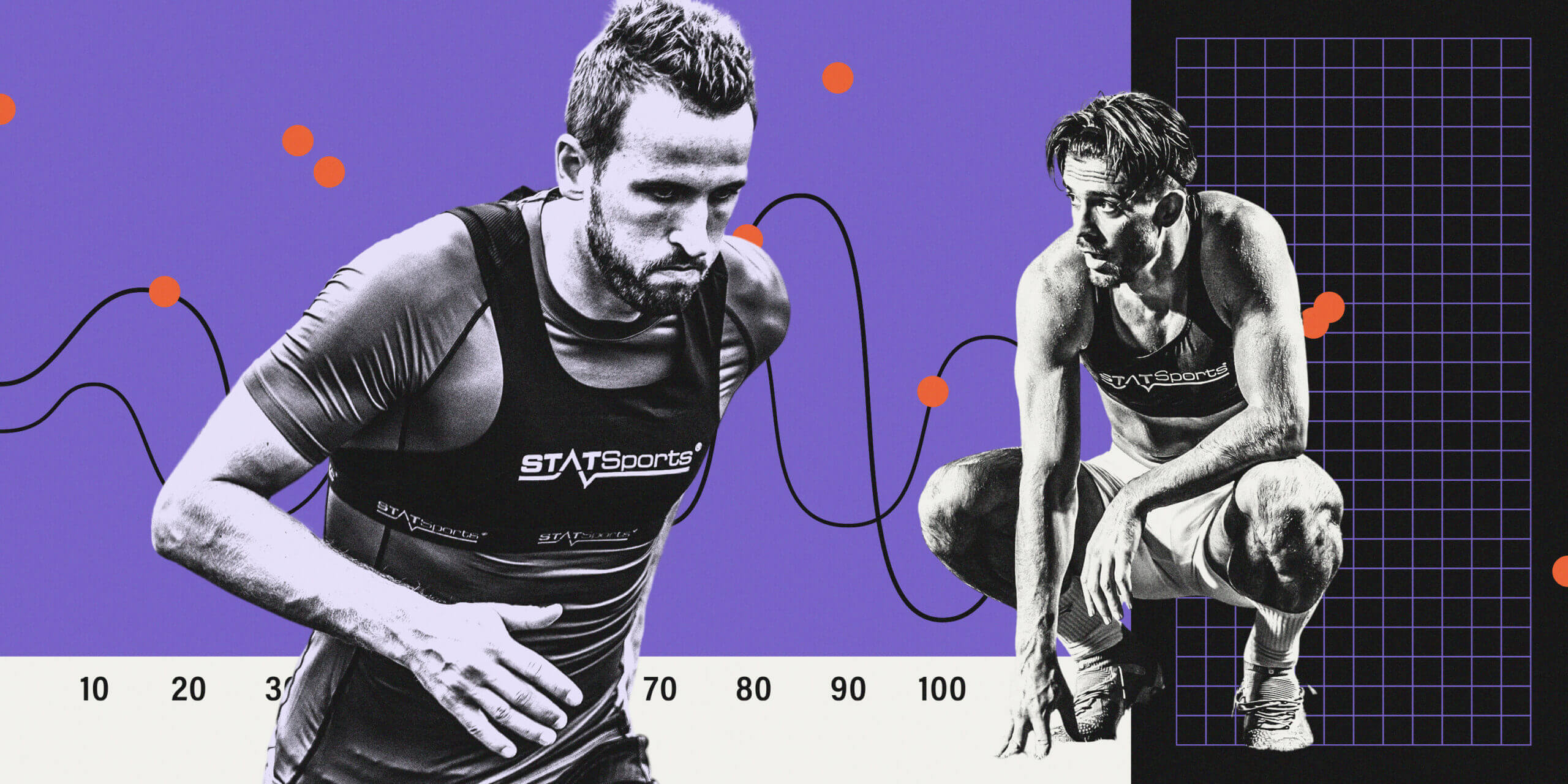
Wearable Technology has become an essential part of professional football. From elite European clubs to national teams competing on the biggest stages, players now wear advanced tracking devices that provide coaches, fitness staff, and analysts with real-time performance data.
Instead of relying only on observation, clubs use wearable devices to monitor player fitness, reduce injury risks, improve recovery, and maximize on-field performance. FIFA even operates a Quality Programme for Electronic Performance and Tracking Systems (EPTS) to ensure approved wearable tracking systems meet safety and performance standards.
GPS Performance Vests
The most recognizable piece of Wearable Technology is the GPS performance vest.
Footballers wear a lightweight vest underneath their jerseys that holds a small GPS tracking unit between the shoulder blades. These devices measure distance covered, sprint speed, acceleration, deceleration, and changes of direction throughout training and matches.
The collected data helps coaches understand player workload and determine when athletes need additional recovery or higher-intensity sessions. You can also explore the latest football updates and expert content at Agents Notout.
Heart Rate Monitors
Heart rate monitoring has become a standard tool in professional football.
Modern wearable systems continuously measure heart rate during training, allowing sports scientists to understand how hard each player is working. By tracking cardiovascular intensity, coaching staff can adjust training sessions based on individual fitness levels.
This personalized approach improves conditioning while reducing the risk of overtraining.
Motion Sensors and Accelerometers
Another important component of Wearable Technology is motion sensing.
Accelerometers and gyroscopes record every jump, tackle, sprint, and rapid change of direction. These sensors help identify movement efficiency, balance, explosive power, and physical load throughout each session.
By analyzing these metrics, clubs can detect fatigue earlier and optimize performance before injuries occur.
Smart Recovery Devices
Recovery is just as important as training.
Many professional footballers now use wearable recovery devices that monitor sleep quality, heart rate variability (HRV), respiratory rate, and overall recovery status. These insights allow medical teams to decide whether players are fully prepared for the next training session or competitive match.
Several elite footballers have adopted advanced recovery wearables as part of their daily routines.
Foot-Worn Performance Sensors
Technology has expanded beyond GPS vests.
Modern foot-mounted sensors can analyze ball touches, kicking speed, passing accuracy, first touch quality, and shooting technique. These systems provide detailed technical feedback that complements physical performance tracking.
FIFA has certified several lower-limb tracking devices under its Electronic Performance and Tracking Systems programme, allowing their use in official football environments.
How Coaches Use Wearable Technology
Professional clubs collect millions of data points every season.
Performance analysts combine wearable data with video analysis to evaluate tactical movement, pressing intensity, sprint frequency, and player positioning. This information helps coaches create individualized training plans instead of using identical sessions for every player.
The result is smarter preparation, better squad management, and improved performance throughout long competitive seasons.
Benefits of Wearable Technology
The widespread adoption of Wearable Technology offers several important advantages:
- Improves player performance through real-time data
- Reduces injury risk by monitoring workload
- Optimizes recovery after matches
- Supports personalized fitness programs
- Tracks sprint speed and total distance covered
- Measures heart rate and physical intensity
- Assists coaches with tactical analysis
- Helps medical staff make evidence-based decisions
These benefits explain why nearly every top professional club now integrates wearable systems into daily training.
The Future of Wearable Technology in Football
Artificial intelligence is making wearable devices even more powerful.
Future systems will combine GPS tracking, biomechanics, physiological monitoring, and predictive analytics to forecast fatigue, injury risk, and performance levels before problems develop. Digital twins and AI-powered performance models may soon become standard tools in elite football.
As football continues embracing sports science, wearable technology will remain one of the biggest drivers of player development and competitive success.
For more football insights, tactical analysis, and sports technology articles, visit Notout Blogs.
Conclusion
Wearable Technology has fundamentally changed how professional footballers train, recover, and compete. GPS vests, heart rate monitors, motion sensors, and recovery wearables provide valuable information that helps coaches maximize performance while protecting player health.
As technology continues to evolve, wearable systems will become even more intelligent, giving football clubs a significant competitive advantage both on and off the pitch.
FAQ
Why do football players wear GPS vests?
GPS vests track speed, distance covered, acceleration, and player workload during training and matches.
Is wearable technology allowed in professional football?
Yes. FIFA approves certified Electronic Performance and Tracking Systems (EPTS) that meet its safety and performance standards.
What is the biggest benefit of wearable technology?
The biggest advantage is helping clubs improve player performance while reducing injury risk through continuous monitoring.